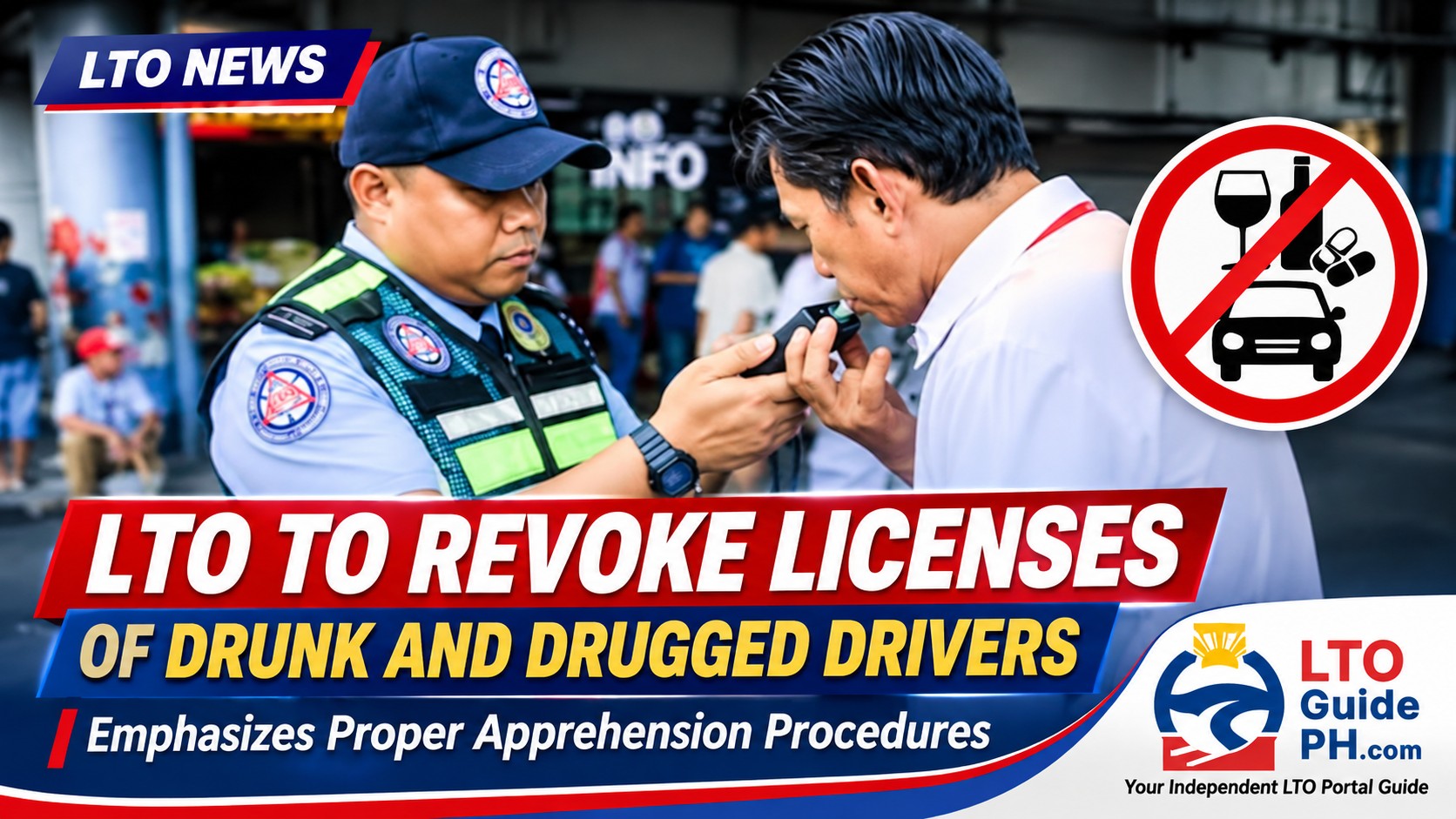
The Land Transportation Office (LTO) is reinforcing its crackdown on motorists who drive under the influence of alcohol or drugs, while reminding deputized law enforcement officers to strictly follow the proper procedures when apprehending suspected drunk and drugged drivers.
Under the leadership of LTO Chief Assistant Secretary Markus V. Lacanilao, the agency has directed law enforcement officers to comply with the procedures provided under Republic Act No. 10586, also known as the Anti-Drunk and Drugged Driving Act of 2013.
The directive was issued through Memorandum No. MVL-2026-242, which emphasizes the proper sequence of testing when a motorist is suspected of driving under the influence of alcohol.
LTO Orders Proper Testing Procedures for Suspected Drunk Drivers
According to the memorandum, deputized law enforcement officers must follow the prescribed testing procedure when apprehending motorists suspected of driving under the influence of alcohol.
The process begins with a Field Sobriety Test, which is used to assess whether a driver may be impaired.
If the driver fails the Field Sobriety Test, an authorized Alcohol Breath Analyzer (ABA) may then be used to measure the driver's alcohol level.
The LTO emphasized that the Alcohol Breath Analyzer should not be used as the initial test or as the sole basis for preliminary screening.
This requirement is intended to ensure that apprehensions are conducted in accordance with the law and that motorists are not subjected to improper or incomplete procedures.
The LTO's latest directive therefore places responsibility not only on motorists to comply with road safety laws, but also on law enforcement officers to ensure that every apprehension is properly documented and conducted.
Licenses May Be Revoked for Drivers Deemed Unfit to Operate
Aside from the criminal penalties that may apply following a conviction under RA 10586, the LTO also highlighted its separate administrative authority concerning the driver's license.
Under Section 27(a) of RA 10586, the Assistant Secretary has authority to take action against drivers who are determined to be improper persons to operate a motor vehicle.
The memorandum further provides that driver's licenses may be subject to revocation when motorists are flagged by the Law Enforcement Service (LES) for deficiencies or for failing an Alcohol Breath Analyzer test, provided that the required determination is made that the driver is an "improper person to operate a motor vehicle."
This means that administrative action by the LTO can be separate from any criminal proceedings that may arise from an alleged violation of the Anti-Drunk and Drugged Driving Act.
Motorists should therefore understand that facing criminal proceedings and facing administrative action involving a driver's license are not necessarily the same process.
LTO Requires Records of All Apprehensions to Be Submitted
The LTO has also instructed the Law Enforcement Service to submit records of every relevant apprehension to the agency's Intelligence and Investigation Division (IID) for review and appropriate action.
This includes cases where a driver refuses to undergo testing.
The requirement is intended to ensure that apprehension records are properly documented and reviewed rather than being handled without the necessary administrative follow-up.
By requiring the submission of apprehension records, the LTO aims to strengthen enforcement against motorists who may pose a danger to other road users.
LTO Chief: Enforcement Must Be Strict and Procedurally Correct
Assistant Secretary Markus V. Lacanilao stressed that the agency's objective is to prevent intoxicated motorists from continuing to operate vehicles while also ensuring that enforcement officers follow the correct procedures.
"We want to ensure that no driver can operate a vehicle while intoxicated or under the influence of drugs without being held accountable under the law. However, it is equally important that the apprehension process is conducted correctly; law enforcement must be strict, orderly, and free from procedural lapses."
The statement highlights the LTO's position that road safety enforcement must work both ways: motorists must comply with the law, while enforcement personnel must also properly observe the procedures established by law and agency directives.
What Drivers Should Know About Drunk and Drugged Driving
Motorists are reminded that driving under the influence of alcohol or drugs can result in serious legal and administrative consequences.
Under the Anti-Drunk and Drugged Driving Act, authorities are empowered to take action against motorists who operate vehicles while impaired.
Drivers should therefore avoid operating a vehicle after consuming alcohol or taking substances that may affect their ability to drive safely.
Motorists should also ensure that they and their vehicles are in proper condition before traveling.
The LTO's latest memorandum reinforces that road safety depends not only on enforcement but also on responsible behavior from every road user.
LTO Continues Crackdown While Strengthening Enforcement Procedures
The latest directive forms part of the LTO's continuing efforts to improve road safety and hold motorists accountable for dangerous driving behavior.
At the same time, the agency's emphasis on proper apprehension procedures underscores the importance of ensuring that enforcement actions comply with the applicable legal requirements.
For drivers, the message is straightforward: do not drive under the influence of alcohol or drugs.
For law enforcement officers, the directive is equally clear: apprehensions must be conducted according to the prescribed procedures, properly documented, and submitted for appropriate review.
Through stricter enforcement combined with procedural compliance, the LTO aims to reduce impaired driving and help make Philippine roads safer for motorists, passengers, pedestrians, and other road users.
LTO Renewal Deadline 2026–2027: Special Extension for Expired Licenses & Registrations
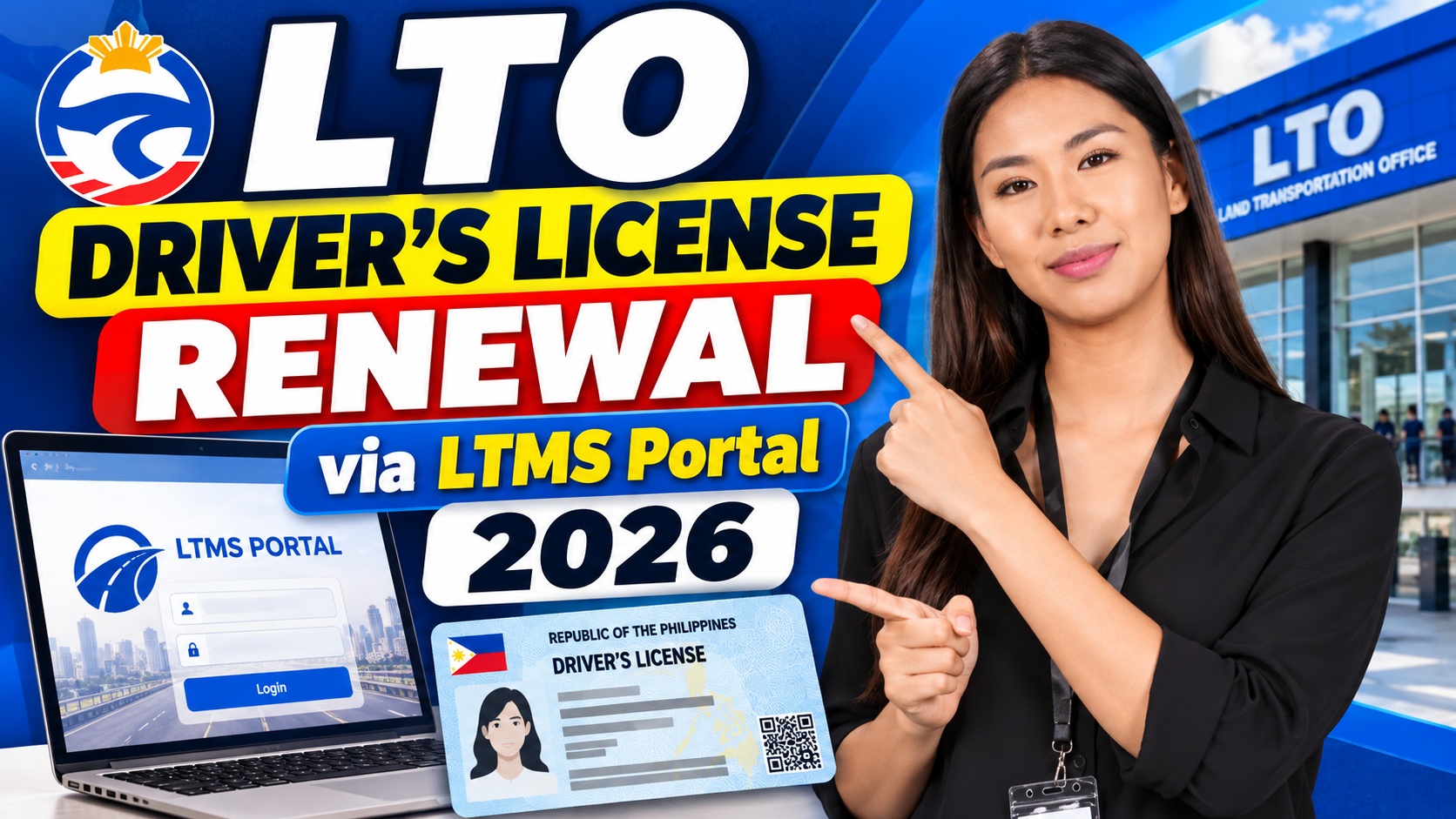
LTO Driver’s License Renewal via LTMS Portal 2026 (Video Guide)

Road Signs and Markings: A Complete Guide for Drivers
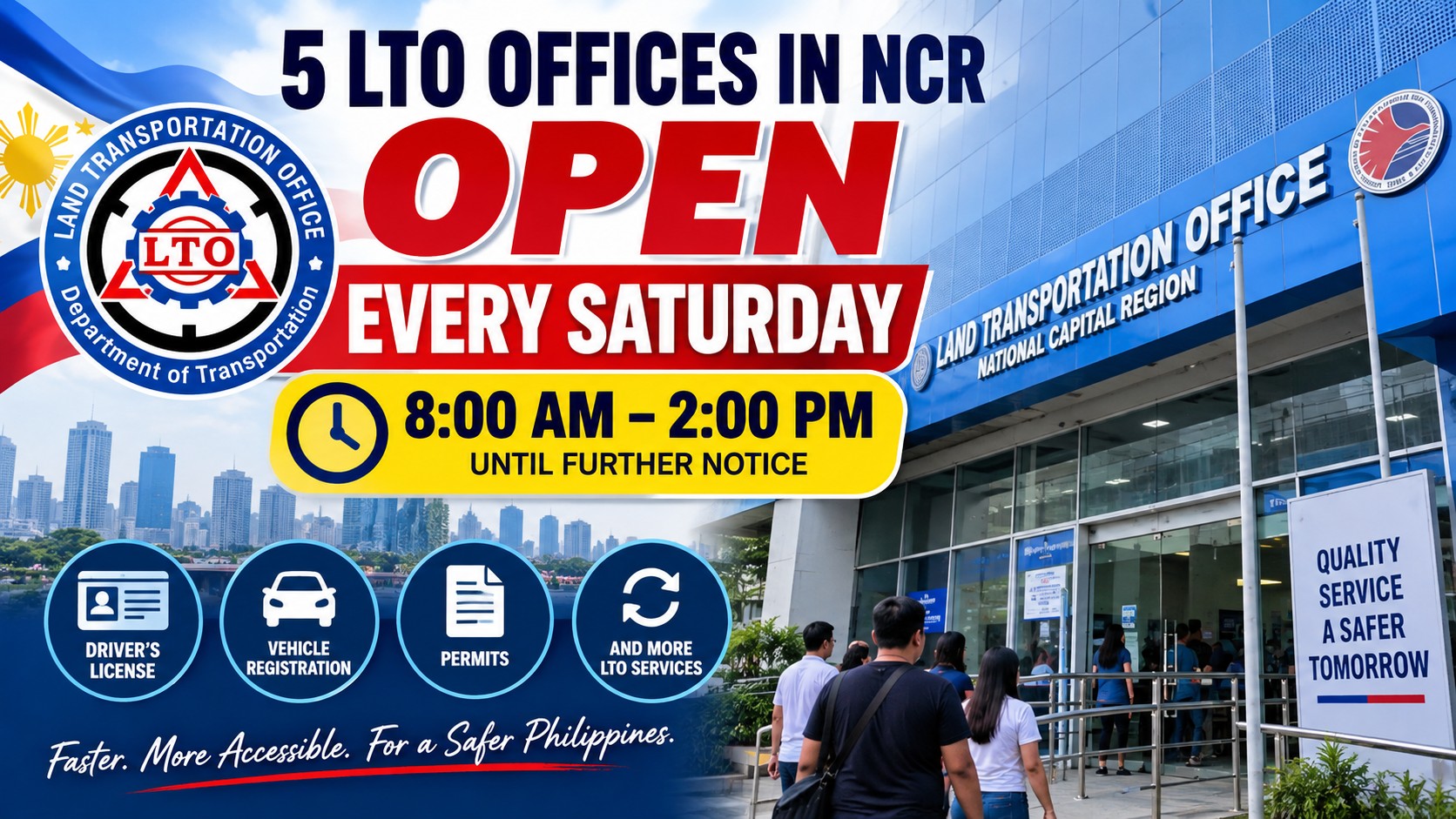
5 LTO Offices in NCR Open Every Saturday
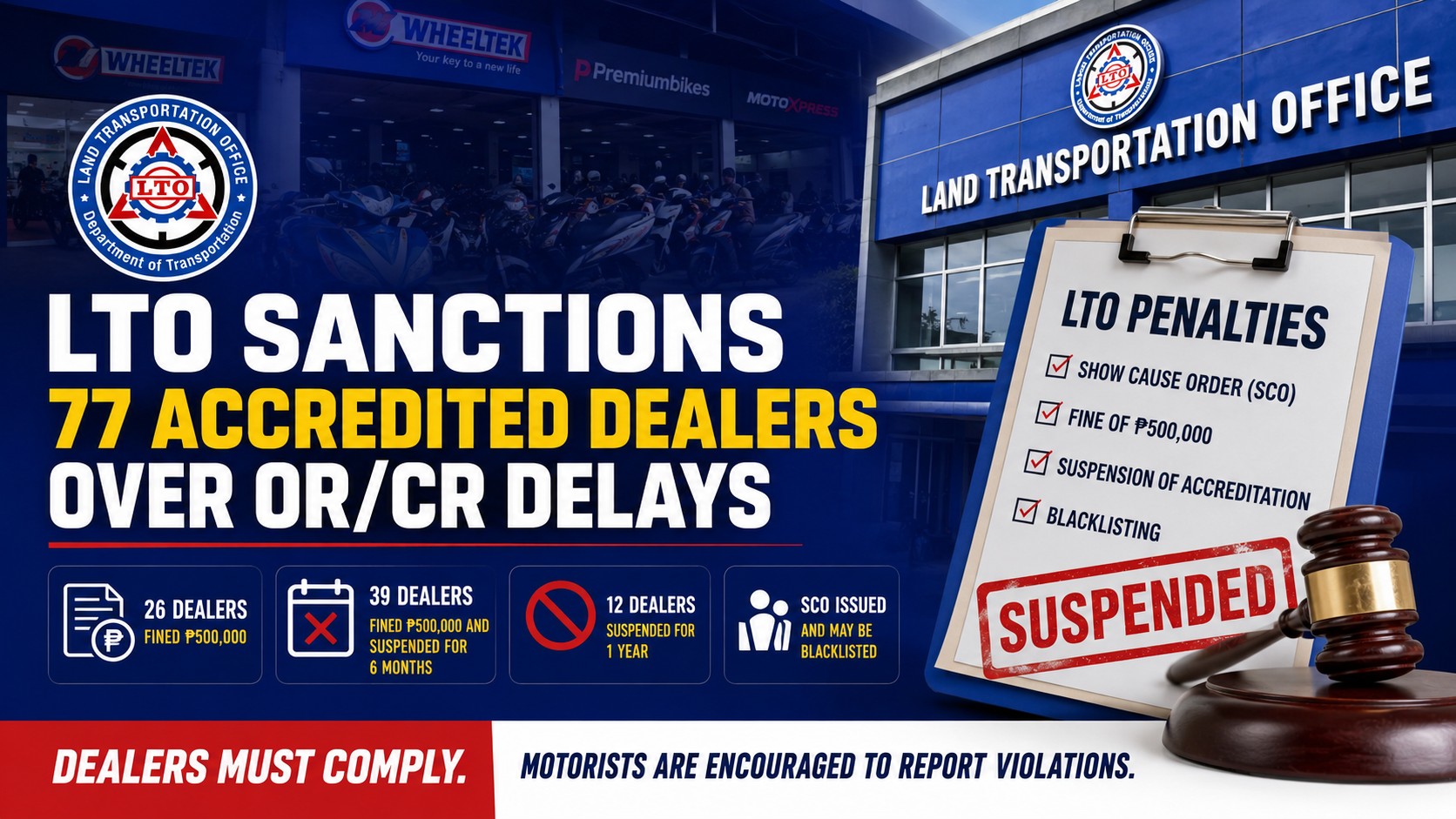
LTO Sanctions 77 Accredited Dealers