
Motorcycle Transfer of Ownership
Deed of sale, Requirements, Process, Fees, and Legal Risks
Motorcycle Transfer of Ownership
(LTO Complete Guide 2026 Philippines)
Transferring motorcycle ownership in the Philippines is a mandatory legal process handled by the Land Transportation Office (LTO). When a motorcycle is sold, ownership must be officially updated in the LTO database to reflect the new owner. Failure to complete this process exposes the previous owner to legal liability for traffic violations, accidents, or criminal misuse. This guide explains the full transfer process, including requirements, step-by-step procedures, fees, and common mistakes to avoid.
🔍 People Also Ask
❓ Is motorcycle ownership transfer required?
Yes. It is mandatory to update LTO records after a sale.
👉 All Details: LTO Motorbike Regeistration Guide
❓ What happens if I don’t transfer ownership?
The previous owner remains legally liable.
👉 Check possible: Motorbike Registration Violations
❓ Do motorcycles need emission testing every year?
Yes. Emission testing is required for annual renewal.
👉 All Info: Motorcycle Emission and CTPL
❓ Can I register a motorcycle without CR?
No. The Certificate of Registration is required for most transactions.
👉 Additional Info: Motorcycle OR & CR
Why Ownership Transfer Is Mandatory
Motorcycle ownership transfer is not optional after a sale. The LTO database determines legal responsibility, not the physical possession of the motorcycle. Until ownership is officially updated, the registered owner remains liable for all incidents involving the vehicle.
-
- Legal Liability Remains With Registered Owner
Even after selling the motorcycle, the original owner remains legally responsible until the LTO updates the records. Traffic violations, penalties, or accidents may still be linked to the previous owner if transfer is not completed. - Protection for the Buyer
Without proper transfer, the buyer cannot prove legal ownership. This may create complications in renewal, insurance claims, or resale transactions in the future. - Required for Future Registration Renewal
Renewal transactions require accurate ownership records. Delayed transfer may prevent or complicate future registration processing. - Prevents Fraud and Disputes
Official transfer reduces the risk of disputes, fraudulent resale, or legal conflicts between buyer and seller. - Ensures Accurate LTO Database Records
The LTO relies on accurate data for enforcement and compliance. Ownership transfer ensures the database reflects the correct legal owner.
- Legal Liability Remains With Registered Owner
Completing ownership transfer immediately after sale protects both parties and ensures proper legal and administrative compliance.
Required Documents for Ownership Transfer
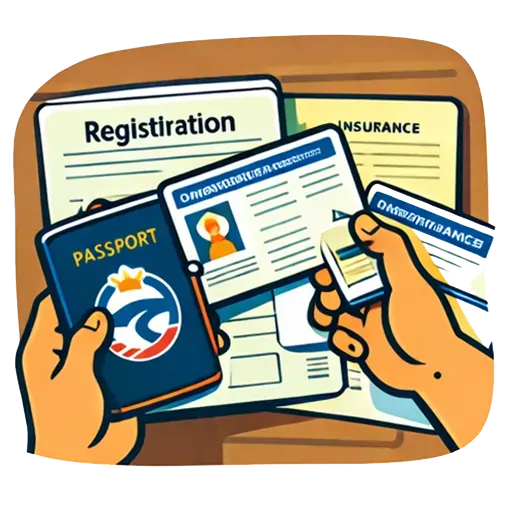 Ownership transfer requires submission of specific documents to verify the transaction and update the LTO database. All documents must be accurate and properly prepared before processing.
-
- Notarized Deed of Sale
The Deed of Sale must be notarized to be legally recognized. It serves as proof of the transaction between buyer and seller and is required for LTO processing. - Original Official Receipt (OR) and Certificate of Registration (CR)
These documents confirm ownership and payment history. They must match the motorcycle’s engine and chassis numbers. - Valid Identification of Buyer and Seller
Both parties must provide valid IDs to confirm identity and ensure accurate database encoding. - Emission Test Certificate Under Buyer’s Name
The motorcycle must pass emission testing under the new owner’s name before transfer can be approved. - CTPL Insurance Under Buyer’s Name
Insurance must reflect the buyer as the new owner and match vehicle details.
- Notarized Deed of Sale
Preparing all documents in advance ensures faster processing and avoids delays at the LTO.
👉 Requirements guide: Motorcycle Registration Requirements
Step-by-Step Transfer Process
The ownership transfer process follows a structured sequence. Completing each step correctly ensures faster approval and reduces administrative issues.
-
- Secure Notarized Deed of Sale
The buyer and seller must sign and notarize the Deed of Sale. This document formalizes the transaction and is required for LTO processing. - Complete Emission Testing
The buyer must secure a valid emission certificate under their name before proceeding to the LTO. - Obtain CTPL Insurance
CTPL insurance must be issued under the buyer’s name and must match vehicle details. - Prepare All Documents
Gather OR, CR, IDs, and other required documents before visiting the LTO. - Visit LTO Branch for Processing
Submit documents, undergo verification, and pay required fees. - Database Update and Approval
Once approved, the LTO updates the records to reflect the new owner.
- Secure Notarized Deed of Sale
Following the correct process ensures smooth ownership transfer and prevents delays or rejection.
Transfer Fees and Costs
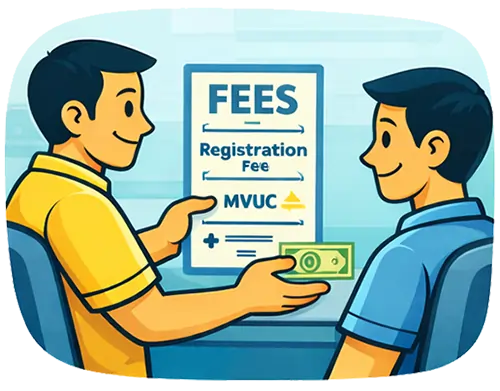 Ownership transfer involves several costs that must be settled before approval. Understanding these fees helps buyers prepare financially.
-
- Transfer Fee
A standard administrative fee charged by the LTO for ownership change processing. - Emission Testing Cost
Paid separately and required before transfer approval. - CTPL Insurance Cost
Insurance must be purchased under the buyer’s name. - Notarization Fee for Deed of Sale
Cost varies depending on the notary public. - Miscellaneous Administrative Fees
Additional small fees may apply depending on transaction specifics.
- Transfer Fee
Preparing the correct amount ensures faster processing and avoids delays due to incomplete payment.
👉 Fee breakdown: Motorcycle Registration Fees
Open Deed of Sale (Risks Explained)
An open Deed of Sale is a common but risky practice where ownership is not immediately transferred. This creates legal uncertainty and potential complications.
-
- No Official Ownership Transfer
The LTO still recognizes the original owner, regardless of who currently uses the motorcycle. - High Legal Risk for Seller
The original owner remains liable for violations and incidents involving the motorcycle. - Complications for Buyer
Buyers may face difficulties during renewal, resale, or legal disputes. - Increased Fraud Risk
Open deeds may be used in multiple transactions, leading to ownership disputes. - Difficult Future Processing
Delayed transfer complicates documentation and verification.
- No Official Ownership Transfer
Avoiding open deeds and completing immediate transfer ensures legal clarity and protection.
Common Mistakes to Avoid
Many ownership transfer issues result from avoidable mistakes. Understanding these errors helps ensure smooth processing.
-
- Delaying the Transfer Process
Waiting too long increases legal risk and may complicate renewal. - Incomplete Documentation
Missing documents result in processing delays and repeat visits. - Incorrect or Mismatched Information
Errors in engine or chassis numbers require correction before approval. - Using Open Deed of Sale
This creates legal ambiguity and risk. - Ignoring Insurance and Emission Requirements
Missing compliance documents prevent transfer approval.
- Delaying the Transfer Process
Avoiding these mistakes ensures faster and safer ownership transfer.
FAQs about the Registration Requirements
How long does transfer take?
Motorcycle ownership transfer is usually completed within the same day if all required documents are complete and accurate. However, processing time may vary depending on LTO branch workload, verification requirements, and whether any corrections are needed.
Can someone process transfer for me?
Yes. A representative can process the transfer on your behalf, provided you submit a signed authorization letter along with valid identification documents for both the owner and the authorized person to confirm legitimacy.
Is CTPL required for transfer?
Yes. CTPL insurance is required and must be issued under the buyer’s name before ownership transfer can be completed. The policy must match the motorcycle’s details and be valid during processing.
Is notarization required?
Yes. The Deed of Sale must be notarized to be legally recognized by the LTO. Without notarization, the document may not be accepted, and ownership transfer cannot be processed.
Final Thoughts
Motorcycle ownership transfer is a critical legal step that protects both buyer and seller from liability and administrative complications. Completing the process immediately after sale ensures accurate records, smooth future renewals, and legal clarity. Riders who prioritize proper transfer avoid disputes, penalties, and unnecessary risks associated with delayed or incomplete ownership updates.