
Types of Driver’s Licenses
in the Philippines
Student, Non-Pro & Professional Explained
Before applying at the LTO, it is essential to understand the different types of driver’s licenses in the Philippines. Each license serves a specific purpose and comes with clear rules on what vehicles you may drive and whether you are allowed to earn income from driving.
The Land Transportation Office (LTO) strictly enforces license classifications. Applying for the wrong type—or using a license incorrectly—can result in fines, penalties, or suspension. This guide explains each license clearly and helps you choose the correct one.
👉 For a full overview of the process, see the Driver’s License in the Philippines – Complete Guide.
🔍 People Also Ask
❓ What is the difference between a Non-Professional and Professional license?
A Non-Professional license is for private use only, while a Professional license is required for driving as part of a job or for earning income.
👉 License rules: How to Get a Driver’s License in the Philippines
❓ Can I drive alone with a Student Permit?
No. Student Permit holders must always be accompanied by a licensed driver. Solo driving with a Student Permit is a traffic violation.
👉 Beginner guide: Driver’s License in the Philippines – Complete Guide
❓ What happens if I use the wrong license type?
Using the wrong license may result in fines, penalties, or suspension, especially if you are caught driving professionally without a Pro license.
👉 Avoid problems: Common Driver’s License Mistakes
Overview: Driver’s License Types in the Philippines
The Philippines currently has three main driver’s license types issued by the LTO. These are designed to match a driver’s experience level and purpose of driving.
In most cases, first-time drivers must start at the lowest level and progress step by step. Skipping stages is generally not allowed.
The three license types are:
-
- Student Permit (SP)
- Non-Professional Driver’s License (Non-Pro)
- Professional Driver’s License (Pro)
Student Permit (SP)
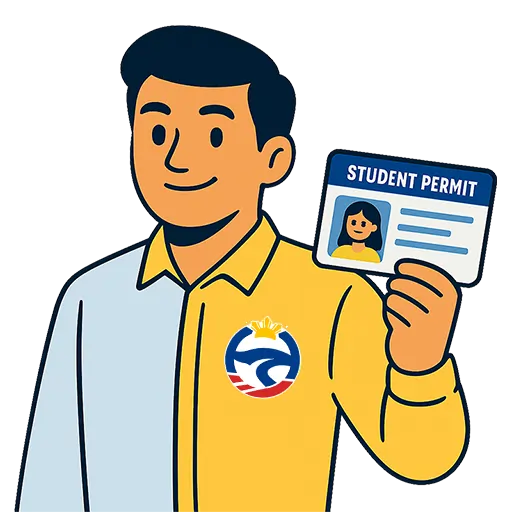 The Student Permit is the entry-level license for new drivers. It allows applicants to legally practice driving on public roads, but only under specific conditions.
A Student Permit is required for all first-time drivers, regardless of whether they plan to apply for a Non-Professional or Professional license later.
What a Student Permit Allows
-
- Practice driving on public roads
- Learn basic vehicle control and road rules
- Prepare for the LTO written and practical exams
Important Restrictions
- You must be accompanied by a licensed driver
- Solo driving is not allowed
- The permit cannot be used for professional driving
Validity
- Valid for 1 year
- Can be used to apply for a Non-Professional license after the required period
The Student Permit is a legal requirement and cannot be skipped by first-time Filipino drivers.
Non-Professional Driver’s License (Non-Pro)
The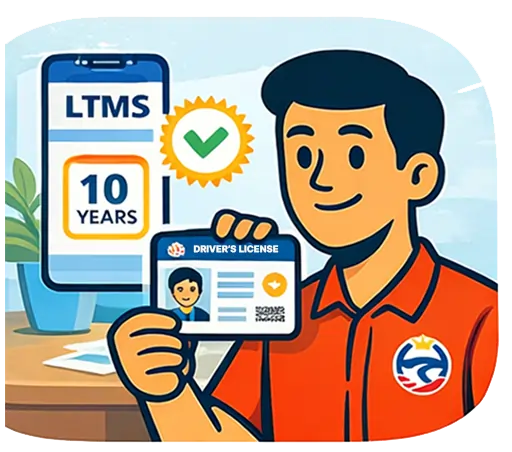 strictly for personal or private purposes.
This license is ideal for everyday Filipino drivers who do not earn money from driving.
What You Can Drive
-
- Private cars and SUVs
- Motorcycles and scooters
- Family or personal vehicles
What Is Not Allowed
-
- Driving for salary or compensation
- Public transport services
- Delivery or ride-hailing jobs
Who Should Apply
-
- Private vehicle owners
- Motorcycle riders
- Family drivers
Using a Non-Professional license for paid driving is considered a violation and may lead to fines or suspension.
Professional Driver’s License (Pro)
The Professional Driver’s License is required for drivers who operate vehicles as part of their job or business. The LTO applies stricter standards to this license due to higher responsibility and public safety risks.
Who Needs a Professional License
-
- Taxi and TNVS drivers
- Delivery riders and drivers
- Truck and bus drivers
- Company and service drivers
Key Differences vs Non-Pro
-
- Higher medical and qualification standards
- Additional written or practical exams in some cases
- Required for any form of paid driving
Applying for a Professional license without meeting eligibility requirements may result in rejection.
Comparison Table: Philippine Driver’s License Types
|
License Type |
Who It’s For |
Can Drive Alone |
Paid Driving Allowed |
Validity |
|
Student Permit |
First-time drivers |
❌ No |
❌ No |
1 year |
|
Non-Professional |
Private drivers |
✅ Yes |
❌ No |
5 or 10 years |
|
Professional |
Paid / commercial drivers |
✅ Yes |
✅ Yes |
5 or 10 years |
This table highlights why choosing the correct license type is critical before applying at the LTO.
Which Driver’s License Should You Apply For?
Choosing the right license depends entirely on how you plan to use your vehicle.
-
- If you are learning to drive → Student Permit
- If you drive only for personal use → Non-Professional License
- If you drive for work or income → Professional License
Applying for the wrong license wastes time and may create legal problems later.
👉 If you’re unsure, follow the step-by-step process in How to Get a Driver’s License in the Philippines
Common Mistakes When Choosing a License Type
Many Filipino drivers unintentionally violate LTO rules by misunderstanding license classifications. These mistakes are avoidable with proper information.
Common errors include:
- Using a Non-Pro license for paid driving
- Applying for a Pro license without meeting requirements
- Letting a Student Permit expire before upgrading
These issues can delay applications or lead to penalties.
👉 Learn more in Common Driver’s License Mistakes Prople Make
FAQs – Types of Driver’s Licenses in the Philippines
Can I upgrade from a Student Permit to a Professional license directly?
No. You must first obtain a Non-Professional license before applying for a Professional driver’s license, unless you meet specific LTO eligibility rules.
How long must I hold a Student Permit before upgrading?
You generally need to hold a Student Permit for at least 30 days before applying for a Non-Professional driver’s license.
Can I use a Non-Professional license for delivery or ride-hailing jobs?
No. Any form of paid or commercial driving requires a Professional driver’s license, even for part-time or app-based work.
Are license types the same for cars and motorcycles?
Yes. The license type is the same, but you must have the correct restriction codes to legally drive a car, motorcycle, or both.
Final Thoughts: Choose the Right Driver’s License
Understanding the different types of driver’s licenses in the Philippines helps you avoid delays, penalties, and future legal problems. Each license issued by the LTO has a specific purpose, and using the wrong one—even unintentionally—can lead to fines or suspension.
Before applying, always consider how you will use your vehicle. Starting with the correct license type ensures a smoother application process and keeps you compliant with Philippine traffic laws. For step-by-step guidance, return to the Driver’s License in the Philippines – Complete Guide or continue with the next cluster article.