
Driver’s License in the Philippines
Complete LTO Guide & Requirements
A driver’s license is more than just an ID in the Philippines—it is a legal requirement for operating any motor vehicle on public roads. Whether you are a student learning to drive, a motorcycle rider, or a professional driver earning a living, holding the correct license issued by the government is mandatory.
All driver’s licenses in the Philippines are regulated and released by the Land Transportation Office (LTO). The agency defines who can apply, what documents are required, which exams must be passed, and how long licenses remain valid.
This guide is written primarily for Filipino drivers, covering everything from first-time applications to renewals. Foreigners and expats may find this information useful,too, but special rules regarding driving in the Philippines for tourists and expats are covered in this separate section.
Who Needs a Driver’s License in the Philippines?
Driving in the Philippines is strictly regulated to ensure road safety and accountability.
Any person operating a motor vehicle on public roads must hold a valid driver’s license appropriate for the type of vehicle and purpose of driving.
A driver’s license is required not only for car owners, but also for motorcycle riders and professional drivers.
Even short-distance or occasional driving without a license is considered a violation under Philippine traffic laws.
🔍 Quick Navigation – Driver’s License Guides in the Philippines
-
- Who Needs a Driver’s License in the Philippines? – Legal requirements & compliance rules
- Types of Driver’s Licenses Explained – Student Permit, Non-Professional & Professional
- How to Get a Driver’s License (LTO Step-by-Step) – Requirements, exams & process
- Driver’s License Fees, Validity & Renewal – Costs, penalties & renewal timelines
- Common Driver’s License Many People Make – Avoid fines, delays & suspension
You need a driver’s license if you:
- Drive a private car, SUV, or van
- Ride a motorcycle or scooter
- Operate a vehicle for work or income
- Drive on any public road or highway
Driving without a license may result in fines, vehicle impoundment, and additional penalties if involved in an accident.
👉 A full legal breakdown is available in this guide: Who needs a Driver's licence?
Types of Driver’s Licenses in the Philippines
The LTO issues different types of licenses based on driving experience and vehicle usage. Understanding the difference is essential, as using the wrong license type can lead to penalties or suspension.
Each license serves a specific purpose, and applicants must follow the correct progression, especially first-time drivers.
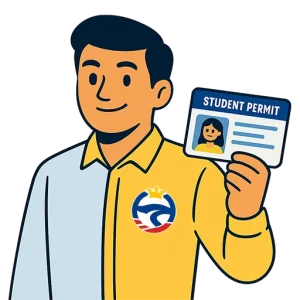 Student Permit (SP)
The Student Permit is the entry-level license for new drivers. It allows you to practice driving only when accompanied by a licensed driver.
Key points:
- Mandatory for first-time applicants
- Valid for up to one year
- Solo driving is not allowed
Non-Professional Driver’s License
This license is intended for private vehicle use and personal transportation. It is the most common license type for Filipino drivers.
Allowed uses:
- Personal cars
- Motorcycles
- Family transport
Professional Driver’s License
A Professional License is required for drivers who operate vehicles as part of their job or business.
Examples include:
- Public transport drivers
- Delivery riders
- Truck and bus drivers
👉 For a full comparison table and restrictions, check out this article: Types of Driver’s Licenses in the Philippines Explained.
Step-by-Step: How to Get a Driver’s License in the Philippines
Applying for a driver’s license in the Philippines follows a standardized process set by the LTO. While waiting times may differ per branch, the steps and requirements remain the same nationwide.
Preparation is key. Having complete documents and understanding the exams significantly increases your chances of a smooth application.
Step 1: Apply for a Student Permit
First-time drivers must begin with a Student Permit. This includes submitting an application form, valid IDs, and a medical certificate from an LTO-accredited clinic. Completion of the Theoretical Driving Course (TDC) is also required.
Step 2: Take the Written Examination
The written exam tests your knowledge of traffic rules, road signs, and safe driving practices. It is available in English and Filipino and must be passed before proceeding.
Step 3: Pass the Practical Driving Test
The practical exam assesses your real driving ability, including vehicle control, awareness, and compliance with traffic laws.
Step 4: Payment and License Release
After passing all requirements, you pay the official LTO fees and receive your license card, usually on the same day.
👉 A detailed walkthrough with documents, timelines, and tips is available here: How to Get a Driver’s License in the Philippines (Step-by-Step).
Driver’s License Exams in the Philippines: What to Expect & How to Pass
Before issuing a driver’s license, the LTO requires applicants to pass exams designed to ensure basic road safety knowledge and driving competence. These tests apply to first-time applicants and those upgrading their license.
Understanding how these exams work helps reduce anxiety and increases your chances of passing on the first attempt.
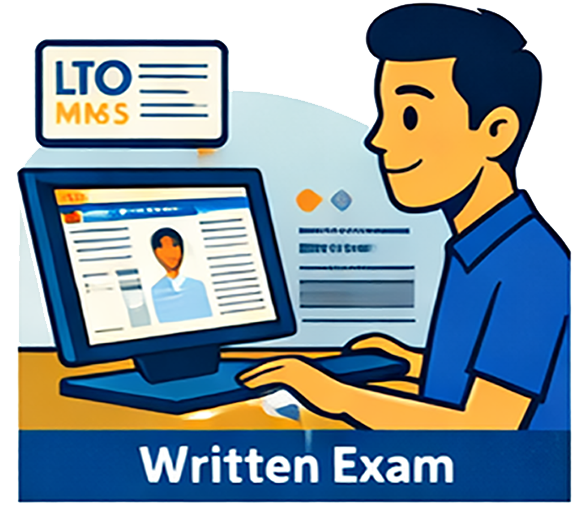 Written Examination (Theoretical Driving Test)
The written exam evaluates your understanding of Philippine traffic laws, road signs, and driver responsibilities. It may be computer-based or paper-based, depending on the LTO branch.
Common topics include:
-
- Traffic signs and symbols
- Right-of-way rules
- Speed limits and road markings
- Basic vehicle safety
- Driver obligations
The exam is available in English and Filipino. Passing this test is mandatory before taking the practical driving exam. You can test, if you are ready, by taking our LTO Test Exam and watching our Exam Reviewer 2026 Video.
Practical Driving Test (PDC)
The practical test measures your ability to operate a vehicle safely in real conditions. Applicants are assessed on control, awareness, signaling, and adherence to traffic rules.
Evaluation usually includes:
-
- Smooth acceleration and braking
- Proper use of mirrors and signals
- Parking and basic maneuvers
- Obedience to road signs
Failing the test requires reapplication or retesting at a later date.
Who Needs to Take the Exams?
-
- First-time license applicants
- Student Permit holders applying for Non-Professional licenses
- Applicants for Professional licenses
- Drivers with long-expired licenses
Most standard renewals do not require re-examination unless specifically instructed by the LTO.
👉 Exam preparation tips and sample questions are covered in the section: Getting a Philippine Driver’s License.
LTO LTMS Online Portal: What Drivers Need to Know
The LTO Land Transportation Management System (LTMS) is the official online portal used for driver’s license applications, renewals, and records. It plays a central role in modern LTO transactions.
Most Filipino drivers are now required to register with LTMS before visiting an LTO branch, making it an important part of the licensing process.
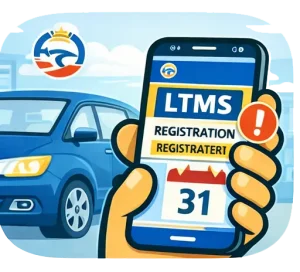 What Is LTMS Used For?
The LTMS portal allows drivers to:
-
- Create an LTO client account
- Complete application forms online
- Access exam results and license records
- Schedule appointments at selected branches
Using LTMS helps reduce processing time and errors during in-person transactions.
Is LTMS Mandatory?
For most license applications and renewals, LTMS registration is required. Walk-in applicants without an LTMS account may experience delays or be asked to register on-site.
Drivers are advised to create and verify their LTMS account before visiting the LTO, especially for first-time applications.
Driver’s License Fees, Validity & Renewal
Understanding license costs and validity helps drivers avoid penalties and unnecessary reapplications. The LTO publishes official fees, although total costs may vary slightly due to medical certificates or penalties.
Renewal rules are strict, and expired licenses cannot be used for driving under any circumstances.
License Fees (Estimated)
-
- Student Permit: ₱300+
- Non-Professional License: ₱600–₱800
- Professional License: ₱800–₱1,000
Validity Period
-
- 5-year validity for standard licenses
- 10-year validity for drivers with a clean record
Renewal Rules
-
- Renewal allowed up to 60 days before expiration
- Late renewal includes penalties
- Long-expired licenses may require re-examination
👉 Learn more about the costs: Driver’s License Fees, Validity & Renewal in the Philippines.
How to Prepare and Pass on the First Try
Proper preparation makes a significant difference. Enrolling in accredited driving schools, reviewing official materials, and practicing with a licensed driver are highly recommended.
Applicants who arrive prepared not only pass more easily, but also complete their LTO transactions faster and with fewer repeat visits.
👉 You can find a full exam preparation guide: How to Get a Driver’s License in the Philippines (Step-by-Step).
Common Driver’s License Mistakes Filipinos Make
Many Filipinos experience delays or penalties due to avoidable mistakes during application or renewal. Being informed helps you save time, money, and stress.
The LTO has also intensified enforcement against illegal practices, making compliance more important than ever.
Using Fixers
Fixers are illegal and risky. Applicants caught using them may face rejection, penalties, or permanent records with the LTO.
Applying for the Wrong License
Driving professionally with a Non-Professional license can lead to fines and license suspension.
Ignoring Expiration Dates
Expired licenses result in penalties and immediate disqualification from legal driving.
Violating License Restrictions
Driving outside your allowed vehicle type or transmission restriction can invalidate your license during checkpoints.
👉 These issues are also are explained in detail: Some Driver’s License Mistakes People Make.
Driver’s License in the Philippines – FAQs
How do I get a driver’s license in the Philippines?
You must apply through the LTO, starting with a Student Permit, then pass written and practical exams before receiving a Non-Professional or Professional license.
How much does a driver’s license cost in the Philippines?
Most applicants spend between ₱1,000 and ₱2,000, including LTO fees, medical certificates, and required courses.
How long is a Philippine driver’s license valid?
Licenses are valid for five or ten years, depending on your driving record and compliance with traffic regulations.
Can I drive without a license in the Philippines?
No. Driving without a valid license is illegal and may result in fines, vehicle impoundment, and further penalties.
Is this guide useful for foreigners or expats?
Yes, but some requirements differ. Foreigners should refer to the dedicated foreigner driver’s license section for accurate eligibility rules.
Final Thoughts: Your Complete LTO Driver’s License Guide
Obtaining or renewing a driver’s license in the Philippines does not have to be complicated. By following official LTO procedures, preparing properly, and avoiding shortcuts, Filipino drivers can complete the process efficiently and legally.
This pillar page serves as the main reference hub on LtoGuidePH.com. For deeper explanations, step-by-step tutorials, and legal clarifications, explore the cluster articles linked throughout this guide.